NEXOFEED / products
Drum Feeder
In the wave of automation in modern industrial production, drum feeders have become indispensable key equipment in many industries due to their efficient and stable material transfer capabilities. From raw material transportation to finished product transfer, the drum feeding mac…
Evaluate with my part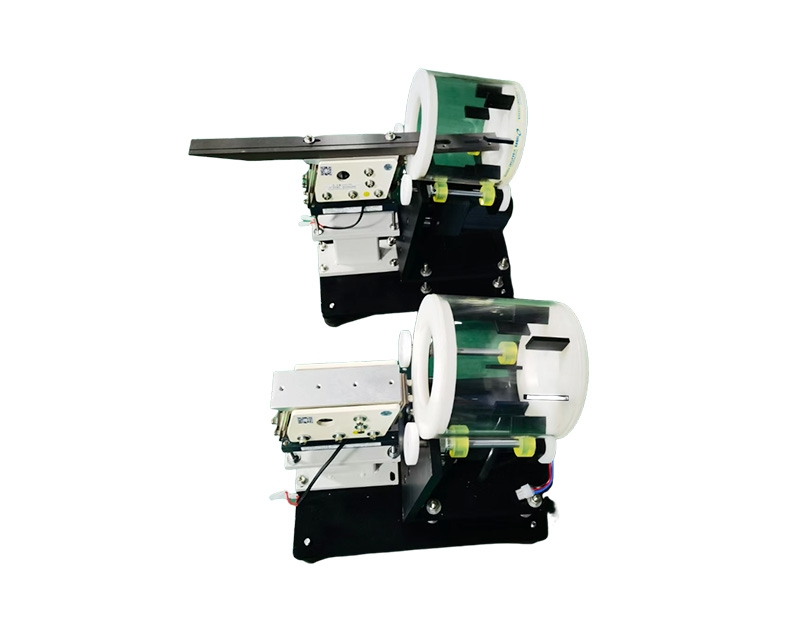
Overview
In the wave of automation in modern industrial production, drum feeders have become indispensable key equipment in many industries due to their efficient and stable material transfer capabilities. From raw material transportation to finished product transfer, the drum feeding machine runs through multiple stages of the production process, greatly improving production efficiency and management levels. Next, I will analyze the drum feeder from multiple perspectives, including its working principle, application scenarios, and technical advantages, to present you with a comprehensive overview of this equipment.
In industrial production, efficient material transfer is a key factor in ensuring smooth production processes and enhancing enterprise competitiveness. As a widely used conveying device, the drum feeder plays a pivotal role across various industries thanks to its unique design and powerful functions. Whether in large manufacturing factories or logistics and warehousing centers, you can see roller feeders running busily. Like the "arteries" of industrial production lines, they continuously transport all kinds of materials needed for production.
The working principle of the drum feeder is based on the rotation of the drum and the friction between the material and the drum surface. It mainly consists of the drum, drive unit, frame, and support device. The drum is the core component of the drum feeding machine, usually made of stainless steel, carbon steel, or plastic. Depending on different usage needs, the drum's surface can be specially treated, such as rubber coating or galvanization, to enhance friction or prevent material wear. The drive device provides power to the drum, with common driving methods including motor drive, chain drive, and belt drive. Taking motor drive as an example, the motor transmits power to the drum shaft through a reducer, causing the drum to rotate at a set speed. When materials are placed on the drum, the friction between the drum surface and the material causes the material to move forward as the drum rotates, thereby enabling material conveying. The frame is the support structure of the drum feeding machine, providing a stable installation foundation for the drum and drive device, ensuring the stability of the equipment during operation. The support device serves to support the drum, ensuring it remains level during rotation and preventing material from drifting off. At the same time, the drum feeder can also be equipped with a tensioning device to adjust the tension of the belt or chain between the drums, ensuring stable power transmission. In some complex application scenarios, drum feeders are also equipped with sensors and control systems. Sensors can monitor information such as material location, conveying speed, and equipment operating status in real time, and feed this information back to the control system. The control system automatically adjusts drum operating parameters, such as speed and start/stop, based on preset programs and sensor feedback, to achieve intelligent material conveying. For example, when sensors detect material blockage, the control system automatically stops drum operation to prevent equipment damage and material accumulation.
In manufacturing, drum feeders are widely used in automotive manufacturing, electronics and electrical production, food processing, and other sectors. In automotive manufacturing plants, roller feeders are used to transport automotive parts such as engines, frames, and doors. From the parts processing workshop to the final assembly workshop, the drum feeder can accurately transport different parts to the corresponding workstations, achieving automated production line connections. For example, on an automotive engine assembly line, a drum feeder sequentially transports parts such as engine blocks and crankshafts to the assembly station, allowing workers to perform assembly operations in fixed positions, greatly improving assembly efficiency and accuracy. In the electronics and electrical manufacturing industry, drum feeders are mainly used to transport small electronic components and finished products. Due to the small size and high precision of electronic components, the smoothness and accuracy of the conveying equipment are required. Through precise speed control and stable operation, the drum feeder can safely and accurately transport electronic components to welding and assembly stations, preventing damage during conveyance. On the mobile phone production line, the drum feeding machine delivers components such as the phone motherboard and screen to the assembly station, ensuring assembly quality and production efficiency. The food processing industry has strict requirements for hygiene and safety, and drum feeders are widely used in this sector. The drum feeder is usually made of stainless steel or food-grade plastic, meeting food hygiene standards and effectively preventing material contamination. On the bread production line, the drum feeder transports the fermented dough to baking equipment, ensuring it does not deform or become contaminated during transport. On beverage filling production lines, drum feeders are used to transport empty bottles and finished beverages, achieving continuous automated production from filling to packaging.
As important venues for cargo distribution and transfer, logistics warehousing centers have an urgent need for fast and efficient material transportation. Drum feeders play an important role in logistics and warehousing. They can be used in conjunction with other logistics equipment such as forklifts, stackers, and sorting systems to build a complete logistics conveying system. During the goods receiving stage, the drum loader unloads goods from the truck and transports them to designated storage areas. By combining with automatic identification systems (such as barcode scanning and RFID technology), the drum feeder can accurately identify cargo information, enabling rapid classification and storage of goods. During the goods outbound stage, the drum feeder transports goods from the storage area to the sorting system, sorting and concentrating goods based on order information, and then conveying them to the shipping area. For example, in large e-commerce warehouses, a large number of packages need to be processed daily. The roller loader combined with automated sorting equipment can quickly and accurately sort packages by destination, greatly improving shipping efficiency and shortening customer wait times. In addition, the drum feeder can also be used for cargo handling and transshipment in logistics centers. In some large logistics parks, rapid transfer of goods between different warehouses and operational areas is required. Drum loaders can transport goods from one area to another along fixed routes, reducing manual handling workload and labor intensity, and improving the efficiency and safety of logistics operations.
Features
- Process-configured architecture
- Documented mechanical and electrical interfaces
- Sensor and control options available
Benefits
- Reduces repetitive manual handling
- Presents parts consistently to the next process
- Supports integration with automated equipment
PARTS
Supported parts
- Parts evaluated according to the assembly process
- Components with special handling requirements
- Applications combining feeding, sorting and conveying
Want to evaluate this solution with your part?
Send photos, dimensions, orientation and rate. We will respond with the next technical questions.
Request a quote