NEXOFEED / products
Elevator Hopper
In modern industrial production systems, efficient material transportation and storage are key to ensuring smooth production processes and improving production efficiency. As a crucial device that closely integrates the two, the hoist silo plays an irreplaceable role in many indu…
Evaluate with my part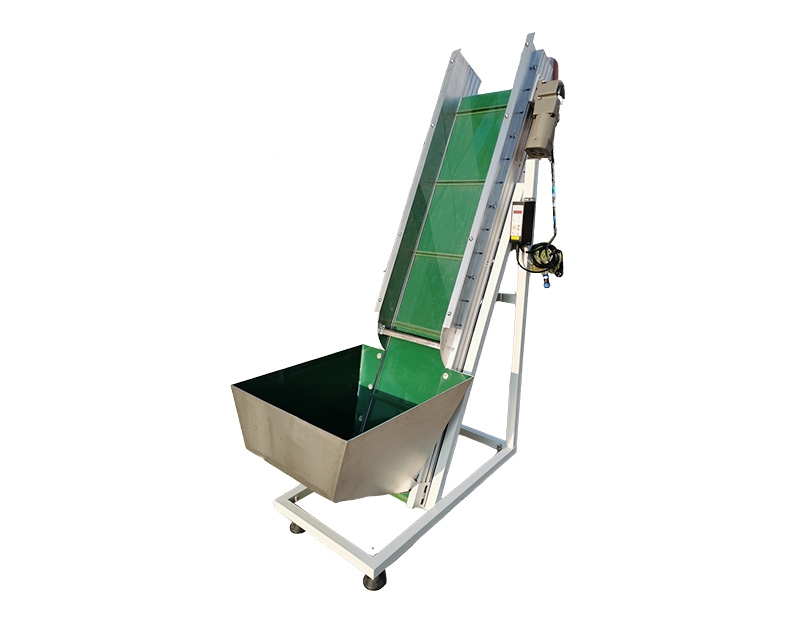
Overview
In modern industrial production systems, efficient material transportation and storage are key to ensuring smooth production processes and improving production efficiency. As a crucial device that closely integrates the two, the hoist silo plays an irreplaceable role in many industrial fields thanks to its unique design and functionality. It not only enables vertical lifting and horizontal conveying of materials, but also provides reliable storage space to meet the needs for temporary storage and continuous supply during production. This article will delve into the structural composition, working principles, application scenarios, advantages, common problems, and solutions of hoist material silos, helping readers gain a comprehensive understanding of this key hub equipment in industrial production.
The hoist silo is a comprehensive device that integrates material lifting and storage functions. From a functional perspective, it mainly undertakes two core tasks: first, using the hoist to vertically lift materials from a lower position to a higher position, overcoming the conveying challenges caused by height differences; Second, by utilizing the storage volume of the silo to temporarily store or buffer materials, this helps regulate the imbalance between material supply and demand during production, ensuring continuity in the production process. In actual production, whether it's granular ore, grain, powdered cement, or chemical raw materials, the hoist silo can achieve precise and efficient conveying and storage according to material characteristics and production process requirements, serving as an important bridge connecting all production stages.
Drive Device: The drive unit is the power source for the hoist, with common driving methods including electric drive and hydraulic drive. Electric drive converts electrical energy into mechanical energy through the combination of the motor and reducer, driving the hoist to operate. The motor's power and speed are selected according to the load and conveying requirements of the hoist, while the reducer is used to reduce speed and increase torque to meet the power requirements for lifting materials. Hydraulic drive uses a hydraulic pump to convert the pressure energy of hydraulic oil into mechanical energy, driving the hydraulic cylinder or hydraulic motor. It features high output force and smooth operation, making it suitable for heavy-duty lifting applications. In some large mine hoist silos, hydraulic drive units can easily handle the lifting tasks of large quantities of ore.
Traction components: These are responsible for carrying and pulling materials, commonly including conveyor belts, chains, and wire ropes. The conveyor belt is suitable for conveying granular, powdered, and other bulk materials, offering large conveying capacity, smooth operation, and low noise; Chains have higher strength and wear resistance, and are often used to transport block-shaped and heavier materials; The wire rope is usually used in conjunction with the hopper, and during vertical lifting, the drum rotates to lift the hopper. Different traction components are selected based on material characteristics and lifting requirements to ensure safe and stable material conveying.
Hopper: The hopper is a component that directly carries materials, and its shape and size are designed according to the nature of the material and the type of elevator. Common types of hoppers include deep buckets, shallow buckets, and triangular buckets. The deep bucket is suitable for conveying dry, well-flowable granular materials such as grain and cement; Shallow buckets are used to transport moist and viscous materials to prevent material accumulation inside the bucket; The triangular bucket is mainly used to transport block materials, effectively reducing material spillage during lifting. Hoppers are usually made from high-strength steel or stainless steel plates, with special surface treatments to enhance wear resistance and corrosion resistance.
Features
- Process-configured architecture
- Documented mechanical and electrical interfaces
- Sensor and control options available
Benefits
- Reduces repetitive manual handling
- Presents parts consistently to the next process
- Supports integration with automated equipment
PARTS
Supported parts
- Parts evaluated according to the assembly process
- Components with special handling requirements
- Applications combining feeding, sorting and conveying
Want to evaluate this solution with your part?
Send photos, dimensions, orientation and rate. We will respond with the next technical questions.
Request a quote