NEXOFEED / products
Reel Elevator
The coil elevator is a commonly used vertical conveying machinery in industrial production, warehousing logistics, and building materials processing. Relying on the coil winding traction structure, it achieves smooth lifting and conveying of materials. It can complete floor trans…
Evaluate with my part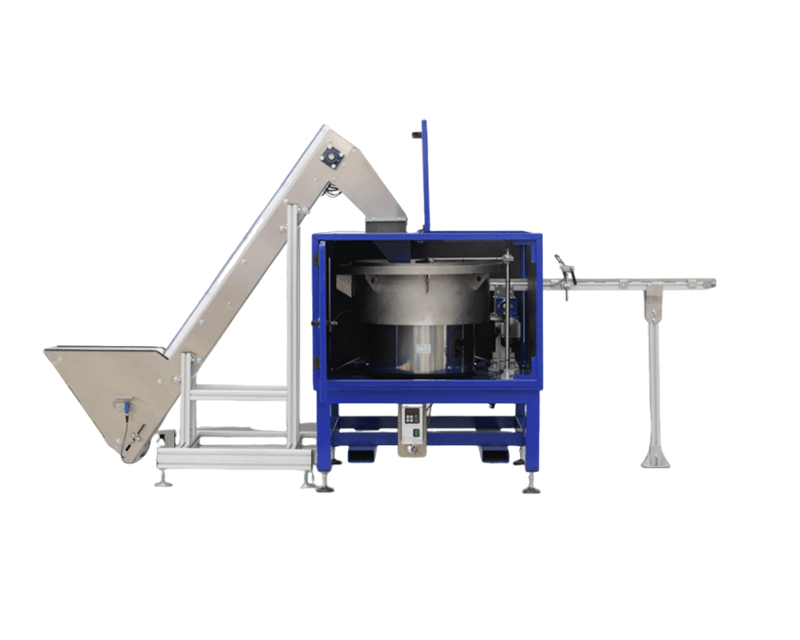
Overview
The coil elevator is a commonly used vertical conveying machinery in industrial production, warehousing logistics, and building materials processing. Relying on the coil winding traction structure, it achieves smooth lifting and conveying of materials. It can complete floor transfer and workstation height difference conveying of bagged, boxed, organized materials, and light bulk materials. Its compact layout, smooth operation, and small footprint make it suitable for various working conditions such as workshop assembly lines, warehouse storage, and cross-floor factory operations. It is a commonly used supporting device for modern enterprises to achieve automated material transfer and save labor handling costs.
From the perspective of the equipment's working principle, the core of the coil hoist relies on the coordinated operation of the reel drum, drive motor, reduction transmission mechanism, load-bearing cage, guide rail frame, and safety protection system. The entire machine uses a steel frame as the main support structure, vertically fixed to the factory wall or independent frame, with built-in vertical guide rails to ensure the cage does not deviate when moving up and down; A reel drum is installed at the top, powered by a motor and a reducer. It is wound onto the surface of the reel by wire rope or a special traction belt, and the reel rotates forward and backward to achieve traction and pulling, driving the load-bearing cage to perform vertical lifting along the guide rail. During operation, the reel rotates at a constant speed, maintaining balanced traction. Combined with a cushioning and shock-absorbing structure, it effectively reduces shaking and jolts during lifting, preventing material tipping and damage from bumps. It is also equipped with limit switches and stroke sensing devices that automatically stop and limit at the lifting end to prevent over-distance operation. This ensures smooth operation and operational safety from both mechanical structure and electrical control perspectives. Unlike traditional belt hoists and bucket hoists, the reel type provides more uniform traction force and smoother start-stop when heavy loads, making it suitable for vertical conveying of small to medium-sized structured materials.
In practical applications, coil hoists are widely adapted across industries, have diverse usage scenarios, and have strong versatility and adaptability. In the building materials industry, it is commonly used for the up-and-down transfer of rolls, sheets, bagged powder, and packaged building materials, replacing manual climbing and handling, and suitable for daily transfer operations in building material processing plants and warehouse facilities. Light industry and food sectors, capable of transporting boxed food, bagged daily chemicals, and neatly packaged goods, connecting production line upstream and downstream workflows to achieve automated assembly line connections; In the warehousing and logistics sector, small and medium-sized warehouses and e-commerce warehouses commonly use coil hoists to handle cross-floor storage, sorting, and transfer. The equipment occupies little space and can be installed in corridor corners or empty factory spaces, without occupying excessive production workspace; In the hardware machinery workshop, it is suitable for vertical conveying of small workpieces, tooling tools, and packaging components, meeting the needs for material transfer between different workstations in the workshop. Additionally, customized modifications can be made according to on-site conditions, such as enclosed protective structures or open feeding structures, and can be adapted to indoor and outdoor installation environments. The lifting height, load capacity, and operating speed can be adjusted as needed to meet the actual production and transportation needs of different enterprises.
In daily use and maintenance, standardized management can stabilize equipment operation, extend the overall machine lifespan, and reduce the frequency of downtime. During daily use, operators must strictly dispense materials according to the rated load capacity to avoid overload deformation of the reel and damage to wire rope tension; Before each startup, check whether the guide rails are blocked by debris and whether the cage door frame protection is intact. After a no-load trial run confirming smooth lifting and lowering, proceed with material conveyance. Daily cleaning requires regularly removing dust and debris from the surfaces of guide rails and reels to prevent foreign matter from jamming and affecting operational accuracy; Regularly inspect the wear of wire ropes and traction belts, check for rust or deformation of the reel drum, and repair or replace them promptly if there is wear, aging, or surface damage. Monthly maintenance focuses on tightening the frame connection bolts and guide rail fixing parts, checking for abnormal noises or overheating in the motor and reducer operation, and timely replenishing lubrication to ensure smooth operation of transmission components; At the same time, check the sensitivity of the upper and lower limit switches and emergency stop devices to ensure that power can be cut off and shut down promptly in emergencies. Quarterly and annual maintenance requires comprehensive inspection of the entire machine's wiring and control components, identifying hazards such as aging wiring and poor contact, removing rust and preventing corrosion from the frame steel structure, adjusting the coaxiality of the scroll and the perpendicularity of the hanging cage to reduce uneven wear and noise. Daily work environment management should also be well maintained to avoid prolonged exposure to high humidity and dust concentration, reduce corrosion and dust accumulation of components, and develop habits of regular inspections and standardized operation.
The overall structure of the coil hoist is simple and reasonable, easy to install and debugg, and the after-sales operation and maintenance costs are low. Compared to traditional lifting equipment, it features a small footprint, stable lifting, strong adaptability, and low failure rate. This not only solves the challenges of handling materials across floors and with high elevations, but also reduces the labor intensity of manual handling, improves material transfer efficiency, and helps workshop production and warehousing circulation form standardized and automated workflows. With the standardized renovation of industrial plants and the upgrade of warehouse logistics automation, the coil hoist has become a common choice for vertical material conveying by small and medium-sized enterprises, thanks to its practical and reliable performance and flexible customization capabilities. It widely serves multiple industries such as building materials, light industry, warehousing, and mechanical processing, providing stable and efficient equipment support for material transfer in factory areas.
Features
- Step lifting with less continuous vibration
- Part-configured hopper and discharge
- Low- and full-level sensing available
Benefits
- Reduces repetitive manual handling
- Presents parts consistently to the next process
- Supports integration with automated equipment
PARTS
Supported parts
- Long, heavy or regularly shaped parts
- Shafts, bolts and cylindrical components
- Parts sensitive to noise or continuous vibration
Want to evaluate this solution with your part?
Send photos, dimensions, orientation and rate. We will respond with the next technical questions.
Request a quote