GUÍA TÉCNICA
An electric shaver contains components with very different handling needs. A molded carrier, a small structural piece and an assembled cutting element should not be treated as interchangeable feeding applications. Before considering a bowl feeder, define exactly which component enters the system, in what condition, and which surfaces must remain untouched or undamaged.
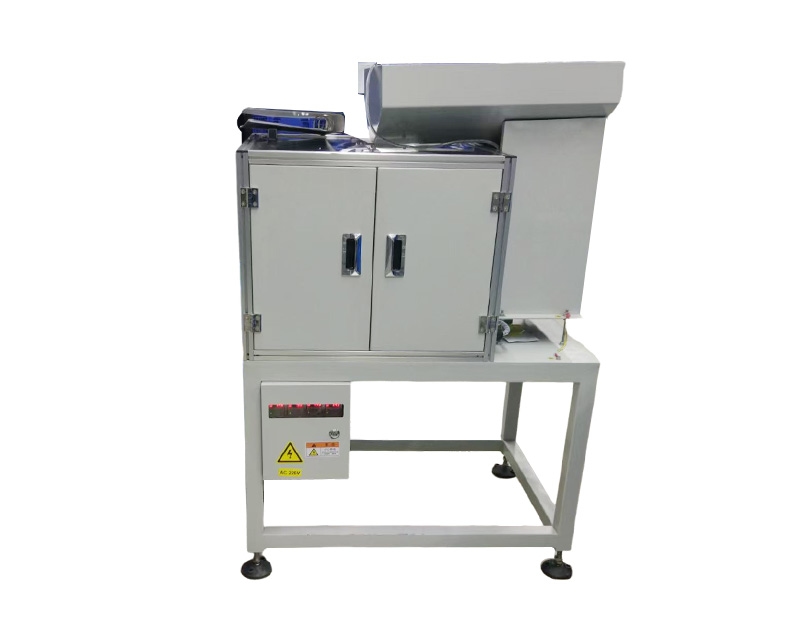
The NexoFeed YH-765 Electric Shaver Component Vibratory Bowl Feeder is a catalog starting point for a part-specific evaluation. Its listed features include orientation tooling, adjustable flow control and an interface for line integration. The configuration must be confirmed using the actual component. The catalog name does not mean that every blade, foil, housing or completed shaver assembly is suitable for bulk feeding.
View the application workflow diagram (conceptual illustration)
Define the component rather than the finished appliance
Identify the part number, revision, material and state of assembly. State whether the piece is a molded component, a metal component or an assembly containing several materials. Include any coating, lubricant or surface treatment that will be present when production parts arrive. These conditions affect the handling evaluation and should not be left until installation.
Describe what happens immediately after feeding. A component presented for a robot gripper may need a different attitude from the same component presented to a press fixture. If the part must remain paired with another component or retain a traceability relationship, explain that constraint before selecting a bulk-handling method.
Mark functional and appearance-sensitive surfaces
Prepare a drawing showing permitted support regions and protected features. For a molded carrier, small clips, flexible tabs and thin walls may require attention. For a metal part, an edge or contact face may be functionally important. Do not assume that the largest visible face is the safest surface to guide against.
Distinguish cosmetic limits from functional limits. A mark acceptable on an internal support surface may be unacceptable on a visible housing. Conversely, an almost invisible deformation can matter if it affects a locating feature. Agree on the inspection method and acceptance criteria before trial parts circulate through the proposed feed path.
Choose the required presentation at assembly
Specify which face, end or feature must be presented to the receiving tool. Where the part has several stable resting positions, identify which are acceptable at the final pickup point and which must be rejected. A simple front-and-back photograph often communicates this more clearly than a written instruction alone.
Ask whether the receiving fixture will complete the final location. A bowl feeder can establish a useful presentation without being the final precision locating device. Separating those responsibilities helps the engineering team decide which features the track should control and which belong in the assembly nest.
Evaluate the complete handling route
The general bowl-feeding concept is to move loose components toward tooling that selects the desired attitude. However, the practical application includes replenishment, return paths, discharge and the handoff to assembly. A sensitive component may experience repeated contact before reaching the outlet, so the evaluation must consider more than the final release.
Review where parts can meet one another, become nested or fall from one supported surface to another. If the component is unsuitable for random bulk contact, discuss alternatives such as trays or a different presentation method. The goal is a reliable handling process, not forcing every component into the same feeder architecture.
Include cleanliness in the specification
State the permitted condition of the component before assembly and the approved way to clean equipment that contacts it. Identify whether loose particles, residue or transferred material would affect the next process. Avoid vague requests for a “clean feeder” without an agreed inspection method or contamination criterion.
Do not infer a controlled-environment classification or material compatibility from a photograph. If a specific cleaning agent, contact material or environmental requirement is essential, request written confirmation for the proposed configuration. Cleaning access should be reviewed together with guarding and operator access, not as a separate afterthought.
Test representative variation
Provide parts from normal production and identify variations that are expected to occur. A change in molding cavity, surface finish or component stiffness can matter even if the nominal drawing remains unchanged. Where multiple approved suppliers exist, tell the evaluation team which source each sample represents.
For assemblies, include the actual assembly state that will be loaded. A loose subcomponent may behave differently from one containing an insert or attached feature. Keep intentionally damaged pieces separate from normal samples. This allows the trial to distinguish process variation from a deliberate challenge to the rejection method.
Define a useful acceptance trial
Agree on usable presentation at the receiving station, acceptable component condition and the operating sequence that must be demonstrated. Include replenishment and downstream pauses where relevant. A brief run with a small quantity of carefully selected parts does not answer how the application behaves during routine production.
Record interventions and identify their causes. If a component must be manually separated, inspect the pair and its condition rather than discarding it without explanation. Where appearance matters, inspect parts under the agreed conditions before and after the trial. Retain the evidence needed for an informed approval decision.
Prepare the interface information
The mechanical and control interfaces should be discussed together. Confirm discharge height, receiving-tool access, the available installation envelope and the location of guarding. Explain how the assembly machine indicates readiness and how the feeder should respond when the receiving position is occupied.
A useful enquiry package contains:
- Component drawing, revision and representative samples.
- Accepted orientation with protected surfaces marked.
- The condition of parts as supplied to production.
- Receiving fixture or gripper information.
- Expected production demand and normal stop-start behavior.
- Cleaning, access and quality acceptance requirements.
Plan changeover before buying
If the cell will handle several shaver component variants, ask which elements can be shared and which require dedicated tooling. Similar appearance does not prove compatibility. Create a comparison of the locating features, support surfaces and receiving positions for each proposed variant.
Document the expected changeover process, including removal of the previous component and verification of the new setup. A saved recipe is useful only when the installed mechanical tooling and loaded part match it. Evaluate the complete changeover task rather than treating it as a controller feature alone.
Common questions
Can the feeder handle finished cutting assemblies?
That cannot be assumed from the product name. Suitability depends on the assembly's contact restrictions, geometry and condition. Present the actual assembly for evaluation.
Is a softer contact surface always preferable?
Not necessarily. The proposed contact material must be compatible with the part, cleanliness requirements and feeding behavior. Ask for an application-specific recommendation rather than specifying a coating without trials.
What is the next step?
Request a component feeding review with reference YH-765. Start with the exact part and receiving condition so engineering can assess whether a bowl-feeding arrangement is appropriate.