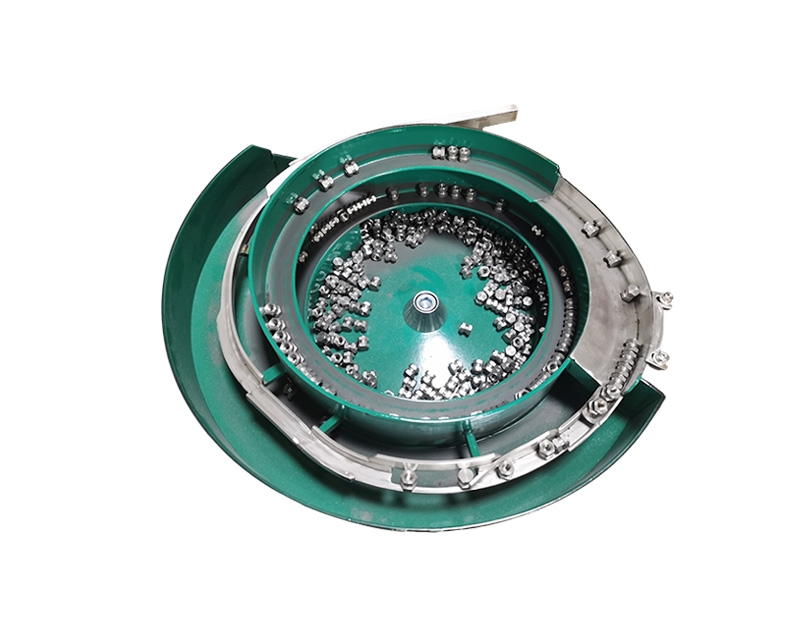
GUÍA TÉCNICA
A molding cell can lose reliability even when inserts are moving through its feeder. A double presentation, a wrong-end insert or an uncertain pickup state may create a problem at the loading device rather than inside the bowl. Good operating checks follow the insert to the receiving point and distinguish what the feeder knows from what the molding cell must verify.
This guide supports procedure development for a YH-759 insert-molded nut feeding application. It does not replace machine-specific instructions or the integrator's validated sequence. Never enter a mold area, clear a jam or adjust a release mechanism without the required authorization and isolation procedure.
View the application workflow diagram (conceptual illustration)
Begin with identity and traceability
Check the insert part number, revision and production lot against the job. Where visually similar variants are used, verify their identification through the approved process rather than a casual comparison. Thread size alone does not establish the correct insert: outer geometry, end features and length can also matter.
Keep incoming containers identified through replenishment. If a container loses its label or contains an unexpected part, quarantine it according to the site's procedure. The feeder should not be used as an informal sorting test to decide whether an unknown batch belongs to the current job.
Inspect the defined incoming condition
Compare a representative sample with the approved incoming standard. Look for the conditions specified by quality and engineering, such as visible debris, abnormal finish or damage to a locating feature. Do not introduce an improvised cleaning or lubrication step because a batch appears to move differently.
If feeding behavior changes with a new lot, retain examples from both the previous and current lot. Record when the change occurred and whether it affects separation, orientation or final pickup. This evidence helps distinguish a component-related change from an adjustment or mechanical condition in the equipment.
Verify one insert at the receiving position
The operating requirement should specify what constitutes a single correctly presented insert. Two inserts touching in a queue are not necessarily a fault, but two inserts occupying the release or pickup position may be. Observe the boundary between the buffered queue and the single-part presentation.
Follow the approved inspection or detection method. Do not assume a part-present sensor also proves that only one insert is present. If double-part detection is required, that function must be designed and challenged as part of validation. A convenient indication on the screen is not evidence of a capability the system was never specified to provide.
Check end orientation where it matters
For inserts with a blind end, flange or unequal lead-in, compare the presented end with the accepted reference. State the distinction in the setup record using a photograph or drawing. Terms such as “up” and “forward” can become ambiguous when the receiving mechanism changes direction.
If incorrect orientation appears, identify where it first becomes visible. The insert may have passed the bowl tooling incorrectly, or it may have changed attitude during transfer. Preserve an example and record the location. Avoid modifying a guide until the responsible engineer has reviewed the source of the failure.
Separate availability, pickup and placement
An insert available in a nest, an insert successfully picked up and an insert correctly placed are three different states. Review how the delivered control sequence distinguishes them. The feeder may provide the first state while the robot or loading device is responsible for the later confirmations.
A missed pickup should lead to the defined recovery state, not an improvised second release. Likewise, a loading device should not assume the previous insert has disappeared merely because a timer elapsed. The accepted interface needs an unambiguous responsibility for each transition and a documented response when confirmation is missing.
Observe normal replenishment
Replenishment should use the quantity and method approved for the application. Watch for changes in the working queue or presentation after the refill, while remaining outside guarded areas. Record whether the behavior differs from the condition before replenishment.
If the same interruption repeatedly follows a refill, investigate the sequence and incoming material together. The cause may involve loading practice, component variation or the way supply is regulated. Do not normalize the event by asking operators to separate parts by hand whenever they add a container.
Respond to an interruption without losing the process state
After a stop, the cell may contain inserts at several locations. Recovery must establish the actual state of the presentation nest, transfer device and mold-loading operation before automatic production resumes. Use the integrator's instructions; do not rely on a general assumption that clearing the feeder resets the entire cell.
If insert identity or placement is uncertain, follow the site's containment procedure. Record the affected job and the point at which certainty was lost. Production should resume only when the responsible personnel have restored a known state through the validated recovery process.
Keep troubleshooting evidence useful
Describe the first observable fault and the machine state when it occurred. “Missing insert” could mean an empty bowl, no insert at the nest, a failed grip or an unconfirmed placement. Each description leads the investigation to a different part of the cell.
A useful issue record includes:
- Component reference, revision, supplier and lot.
- The first location where the expected condition was absent.
- Whether the event followed refill, restart or changeover.
- The relevant alarm and observed receiving-state indications.
- Photographs or retained parts, where permitted.
- Authorized corrective action and subsequent verification results.
Verify corrections under the relevant sequence
After an approved correction, repeat the condition that exposed the problem. A continuous run may not test a fault that occurs only during restart or an intermittent loading sequence. Agree the verification conditions with the responsible engineering and quality personnel.
Check component condition as well as movement. A correction that improves release but damages a thread or locating feature is not an acceptable improvement. Preserve the accepted setup and record any engineering change so the next shift does not need to rediscover the correct arrangement.
Common questions
Can the feeder prove that every mold position is loaded?
Not from feeding alone. Mold-loading confirmation belongs to the complete cell design and must be specified and validated separately.
Should an unexpected insert be pushed through manually?
No. Secure the equipment and investigate according to the approved procedure. Forcing an insert through can obscure the cause or damage tooling.
When is an engineering review needed?
Escalate repeated double presentation, wrong-end delivery, changed insert geometry or uncertain pickup recovery. Send the event record to NexoFeed with reference YH-759 and describe the receiving device as well as the feeder.